


Investing in physical real estate remains one of the most proven and resilient strategies for building generational wealth, offering a level of stability and multi-dimensional growth that few other asset classes can match.
Unlike equities, bonds, or short-term speculative vehicles that rely almost entirely on single return mechanisms like dividend yields or spot price fluctuations, real estate generates wealth through four interconnected financial drivers that compound simultaneously over time: positive rental cash flow, long-term capital appreciation, debt amortization, and tax efficiencies. Over a multi-decade holding horizon, rental rates naturally rise alongside localized cost-of-living increases, while fixed-rate mortgage payments remain static.
This dynamic continuously expands net profit margins and shields purchasing power against systemic inflation. Simultaneously, ongoing population inflows, physical land constraints, and major municipal infrastructure developments drive up core property values, generating substantial equity growth without requiring ongoing out-of-pocket capital contributions from the property owner.
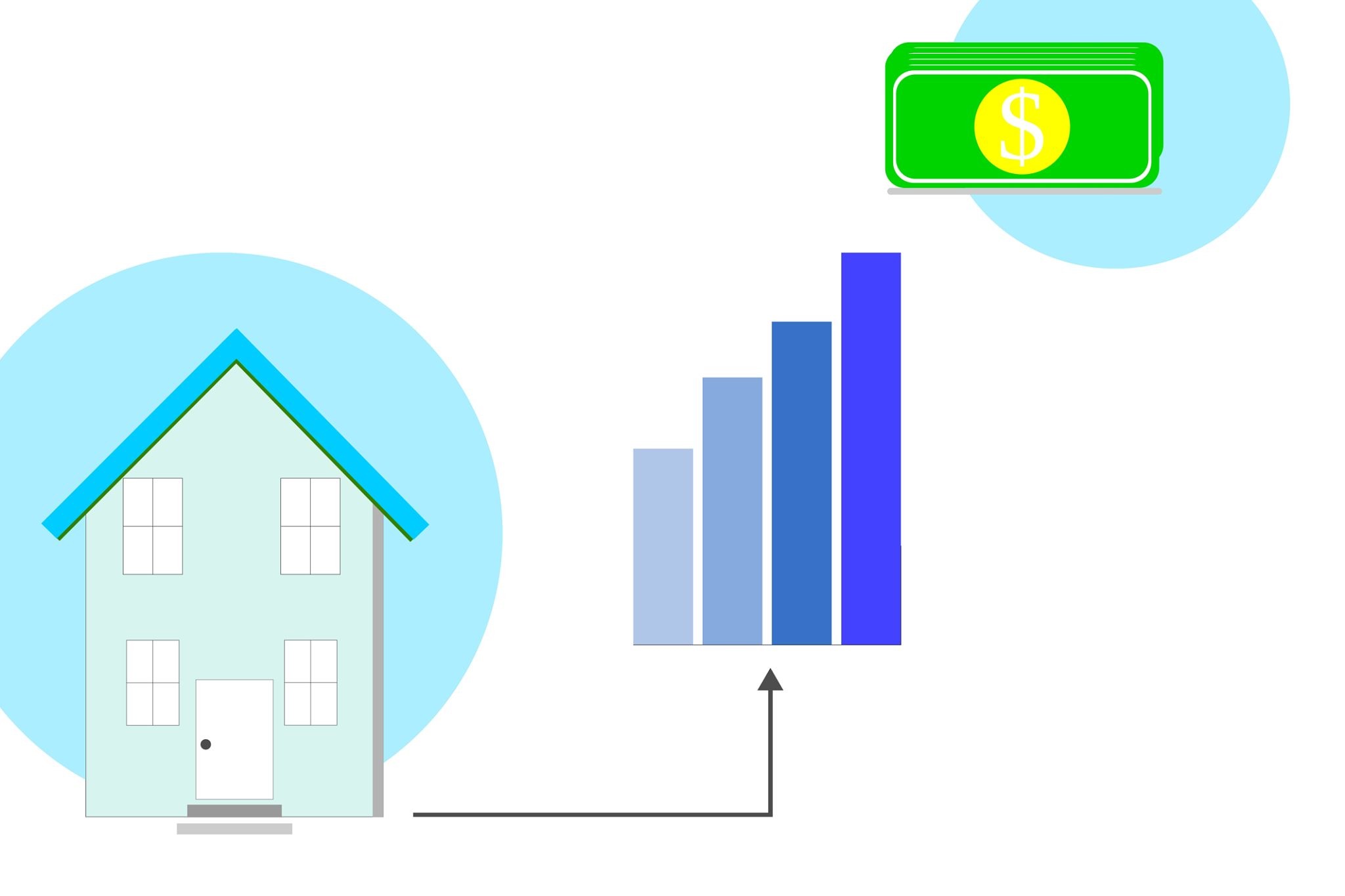
To accurately analyze and optimize real estate performance over long investment horizons, investors must master core evaluation metrics and leverage the unique financial advantages inherent to physical property. Financial indicators such as Capitalization Rate (Cap Rate) = (Net Operating Income / Purchase Price) provide an un-leveraged view of an asset’s baseline earnings, while Cash-on-Cash Return (CoC = Annual Pre-Tax Cash Flow / Total Initial Cash Invested) measures immediate cash yield relative to actual money out of pocket. For holistic performance measurement across the entire lifecycle of an asset, investors rely on Internal Rate of Return (IRR), which accounts for periodic operational cash flow alongside the equity realized upon final sale.
The most powerful multiplier in real estate is financial leverage: securing an asset with a 20% down payment enables the investor to capture 100% of the property’s appreciation. For example, a modest 3% annual appreciation on a $500,000 asset yields $15,000 in capital growth, translating to a 15% return on the initial $100,000 cash outlay. Coupled with non-cash depreciation write-offs that shelter ongoing rental profits from income taxes and tax-deferred exchange mechanisms that allow capital gains to be rolled into larger acquisitions, real estate delivers superior tax-adjusted, risk-mitigated compound returns over time.
Achieving maximum risk-adjusted yields over 10-, 20-, or 30-year market cycles requires disciplined acquisition, proactive management, and strategic asset allocation. Investors should prioritize target markets benefiting from sustainable demographic growth, employment diversification, top-tier school districts, and proximity to major economic centers. Once acquired, property performance can be accelerated through value-add strategies, such as modernizing interior finishes, adding in-demand amenities, improving energy efficiency, or converting underutilized square footage into additional income sources, which directly boost Net Operating Income (NOI) and overall market valuation.
Furthermore, adopting a patient buy-and-hold philosophy minimizes transaction friction like brokerage fees, transfer taxes, and closing costs that erode capital during frequent buying and selling. By periodically using prudent debt refinancing to extract accumulated equity without triggering taxable events, investors can scale their portfolios safely, acquire additional cash-flowing properties, and establish a self-sustaining engine for long-term financial freedom.
Join The Discussion